Are you looking for a way to get the closest, most comfortable shave possible? You’ve probably heard about shaving oils and soaps, but which one is right for you?
In this blog post, we’ll explore the difference between shaving oil and shaving soap so that you can decide which one best suits your needs.
Shave Soap vs. Shave Oil
Shave soap and shave oil are two different products that offer different benefits.
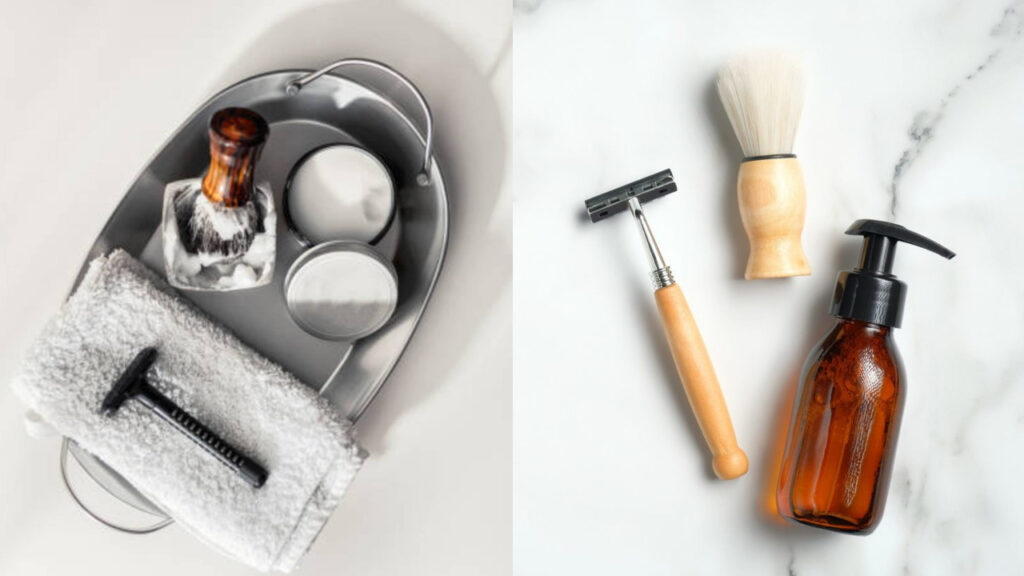
- Shave soap is harder in texture and requires a bit of work to pick up on the brush, but it provides a more robust lubricating layer and lathering that allows for a close, comfortable shave. Shaving soap is traditionally a hard soap rubbed onto the skin to create a lather for shaving. It is typically made from natural ingredients and is designed to be gentle on the skin.
- Shave oil, however, creates a thicker barrier between your razor blade and your skin to offer protection while shaving. It also leaves you with smooth, supple skin, as the lubrication provided by the oil allows for immediate feedback from the razor. The lack of harsh chemicals and fragrances in shave oil can also help to reduce irritation and leave your skin feeling soft and moisturized. Traditional wet shaving typically requires more time, as you have to lather up the soap and apply it to your face; with shave oil, all you need is a few drops on your hands or brush, and you’re ready to go.
As such, each product offers unique advantages that make it ideal for different types of shaves.
How to Use Shaving Soap
Shaving soap is a great choice for wet shavers looking for a more traditional shaving experience. It requires a bit of technique to work up a lather, but the results are worth it.
To use shaving soap, start by wetting your brush with warm water and then swirling it in the soap to create a thick lather. You can use the brush to apply the lather to your face or create a lather in a bowl or directly on your face. Once you have your lather, you can start shaving as usual.
Benefits of Shaving Soap
Wet shavers often prefer shaving soap for a close, comfortable shave due to its harder consistency, creating a more robust lubricating layer. This can help provide a smoother glide for the razor, allowing for less friction and irritation.
It lathers up more effortlessly than shave oil, doesn’t dry out quickly, and makes a thicker ‘cushion’ on the face for protection against a blade.
It also helps protect the skin from small nicks when using other shaving products. Additionally, shaving soap often contains glycerine which helps to soften and hydrate the skin. Pre-shave soaps are also popular for providing an even softer texture and more cushioning.
It’s great for those who want to see the hair as they shave and need something that won’t dissipate or dry out midway through. Plus, traditional and high-quality shaving creams contain natural and more beneficial ingredients, such as natural oils, aloe vera, and moisturizing agents that help keep your skin soft and healthy.
How to Use Shaving Oil
Shaving oil is a great option for those who don’t like the feel of traditional wet shaving with soap or cream. It provides more immediate feedback from the razor and incredibly hydrates your skin.
Warm a few drops of oil between your palms and massage it into your skin. Let it sit for about a minute before you shave for the best results. Shaving oil helps to replace any natural oils lost during the process, leaving your skin feeling smooth and soft afterward.
Benefits of Shaving Oil
The benefits of using shaving oil go beyond just protecting your skin.
Shave oil offers a protective layer for your skin and can act as a pre-shave lubricator and post-shave lotion. It can help to hydrate your skin, protect it from irritation and cuts, and provide a smoother shave with fewer razor burns.
It also offers greater accuracy when shaving, as the oil is transparent and allows you to see the hair more clearly. This makes it ideal for men who prefer to see the hair as they shave and aren’t looking for a thick lather. Additionally, pre-shave oil helps nourish your pores and hair follicles, helping your skin stay hydrated and healthy.
Shave oil also offers immediate feedback from the razor, providing you with the control to ensure a close and comfortable shave.
Which is Better: Shaving Soap or Shaving Oil?
Now that we have gone over the similarities and differences between shaving soap and oil, it is time to discuss which option is better for you.
Ultimately, the decision will come down to personal preference. Both products offer a great shave. However, each has its benefits and drawbacks that should be considered before deciding on a product.
Shaving soap offers a thicker lather that helps to protect the skin during shaving, while shaving oil provides a thinner barrier between the razor and the skin. Shave oil offers more slip for a closer shave, but it can be messier than soap.
Last update on 2024-04-27 / Affiliate links / Images from Amazon Product Advertising API
Affiliate Disclosure: This post contains affiliate links, which means I may receive a small commission, at no extra cost to you, if you make a purchase using these links.

Jay Kang
Just because i'm asian does not mean I don't need shaving. I always wanted to grow a beard when I was young, now I need to shave because hair growth for me is a problem. I'm going through what every man will and has gone through before.