Are you dealing with the frustration of razor bump scars on your face? Have you had no luck finding a solution that works? Don’t worry – we understand how frustrating this can be, and we’re here to help!
If you’re dealing with the unsightly scars that razor bumps can leave on your face, don’t worry – there are a few simple solutions to help you eliminate them.
In this blog post, we’ll explore various methods to help you minimize the appearance of razor bump scars. From moistened tea bags to laser treatments, there’s something for everyone.
We’ll also discuss the potential risks of each solution and what to look for to ensure you get the best results. So if you’re ready to tackle those pesky razor bumps, let’s jump in!
What Are Razor Bumps?
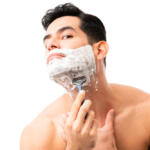
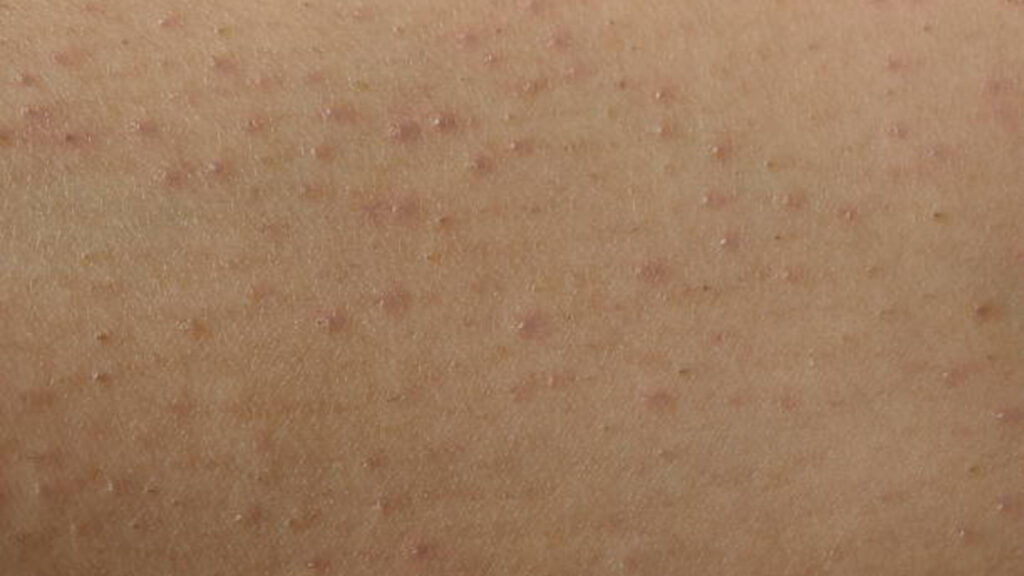
Razor bumps, also known as pseudofolliculitis barbae, are a common skin problem caused by shaving or waxing the hair too near to the skin, causing it to coil back into the skin. Inflammation, itching, and redness may result.
How to Get Rid of Razor Bump Scars on Face
It will take about one or two weeks for razor bumps to go away. But for some, if left untreated and prevent further complications, it can leave scars that can last for a very long time. Here are a few things you can do to remove razor bump scars.
Coconut Oil for Razor Bumps
Coconut oil is an excellent natural treatment for razor bumps. It not only contains a high concentration of fatty acids, but it also has anti-bacterial characteristics that assist to soothe and hydrating the skin. Apply a thin coating of coconut oil to the afflicted region, similar to how aloe vera is used for sunburns.
Coconut oil is an excellent substitute for shaving cream and will help to decrease the redness and irritation produced by razor burns. Additionally, moisturize your skin with virgin coconut oil on a daily basis to help avoid razor bumps in the future.
Moistened Tea Bags
Moistened tea bags are a great way to reduce the appearance of razor bump scars on the face. Applying a moistened tea bag to the affected area can help reduce inflammation and soothe the skin. The tannic acid in tea helps calm the skin, reducing redness and scarring.
This method is simple, easy, and effective, making it a great natural alternative for those who don’t want to use harsh chemicals or products. To use this method, apply a dampened tea bag over the affected area for 30 minutes or until it cools down.
Gentle Cleansing
Gentle cleansing is one of the best ways to reduce the appearance of razor bumps and scars on the face. It’s important to use a non-comedogenic product containing salicylic acid or glycolic acid to clear pores and remove excess skin cells.
This can help reduce redness and inflammation as well as prevent further irritation. Be sure to use a gentle, circular motion when washing your face with these products, as aggressive scrubbing can worsen the problem. For added benefits, you may consider using a face wash with natural ingredients such as aloe vera or witch hazel, which can help soothe irritated skin.
Tea Tree Oil
Tea tree oil is a natural and effective way to treat razor bumps and scars. It is rich in antibacterial and anti-inflammatory properties, making it an ideal solution for skin issues. To use tea tree oil, add three to four drops of the oil to a cotton ball or pad and apply it to the affected area after shaving.
You can add a few drops to a moisturizer or face wash for extra protection. Additionally, pamper your skin with tea tree oil, which helps remove grease and grime easily and provides a moisturizing agent.
Exfoliation
Exfoliation is essential for getting rid of razor bump scars on the face. It helps remove layers of dead skin, preventing hairs from getting trapped and causing razor bumps. Alpha-hydroxy acids, sugar, and cocoa help exfoliate and lighten dark spots.
Vitamin C is especially important for lightening dark spots and scarring from ingrown hairs on the pubic area. Exercising regularly will help reduce the appearance of razor bump scars on the face.
Moisturizing
Moisturizing is an important part of treating razor bump scars on the face. Applying a moisturizing aftershave lotion can help to keep the skin hydrated, preventing irritation and further damage. Vanicream’s facial moisturizer is a popular product that is ideal for dry skin.
It helps to lock in moisture and relieve irritation, promoting healing and reducing the visibility of scars. This product is gentle and effective for those with sensitive skin, reducing inflammation and restoring the skin’s natural balance.
Regular application of moisturizers can help to reduce the appearance of scars and prevent the further occurrence in the future.
Warm Compress
One way to help reduce the appearance of razor bumps on the face is by using a warm compress. Applying a warm, damp cloth over the area can help soften the skin and draw out the ingrown hairs. It’s also thought to reduce pain and inflammation in the area.
Using a warm compress, use a gentle cloth that won’t irritate the skin further. For best results, apply the compress for about 10 minutes and then repeat as necessary.
Laser Treatments
Laser treatments are a great option for those looking to reduce the appearance of razor bump scars on their face. The laser heats the area of the skin where the scar is located, causing the top layer to be removed and replaced with fresh, new skin.
This can help to reduce redness and inflammation, as well as smooth out the texture of the scar. It is important to note that this treatment should be done by an experienced dermatologist or esthetician, as it requires precise skill and accuracy. After a few treatment sessions, you should see a noticeable improvement in your scars.
Retinoids
Retinoids are a type of vitamin A and can be a great option for treating razor bump scars. Retinoids work by stimulating collagen production and can help to reduce the appearance of scars. Additionally, they can help to prevent further scarring and acne breakouts.
When using retinoids, starting slowly and gradually increasing the amount used as your skin adjusts is important. It is also important to use sunscreen when using retinoids, as they can make the skin more sensitive to the sun’s rays. With consistent use, retinoids can help to reduce the appearance of razor bump scars on your face.
Kojic Acid
Kojic acid can be a great solution for those looking to reduce the appearance of razor bump scars. It helps to lighten dark spots and scars from acne and prevent future inflammation. Apply diluted lemon juice to the affected area and leave it for 20 minutes.
Kojic acid’s antifungal qualities can also help treat acne caused by bacteria in the skin. Although it may not be effective on thick scar tissue, it is a great option for those looking to reduce the appearance of superficial scars.
Conclusion
In conclusion, facial razor bump scars can be treated using various methods. Moistened tea bags, gentle cleansing, tea tree oil, exfoliation, and moisturizing are all-natural treatments that can help reduce the appearance of razor bumps.
Additionally, warm compresses, laser treatments, retinoids, and kojic acid are all medical treatments that can help reduce the appearance of razor bumps. While some of these treatments may require professional assistance or take time to provide results, they are all effective for treating razor bump scars on the face.
Last update on 2024-04-26 / Affiliate links / Images from Amazon Product Advertising API
Affiliate Disclosure: This post contains affiliate links, which means I may receive a small commission, at no extra cost to you, if you make a purchase using these links.

Jay Kang
Just because i'm asian does not mean I don't need shaving. I always wanted to grow a beard when I was young, now I need to shave because hair growth for me is a problem. I'm going through what every man will and has gone through before.