You’ve probably been there: Standing in front of a mirror, razor in hand, expertly navigating the contours of your face. But what happens after the blade’s work is done? As a grooming connoisseur, I’m here to emphasize the often-overlooked significance of a solid post-shave routine. Believe me when I say, it’s just as crucial as the shave itself, and here’s why.
The Art of Shaving and Its Impact on Your Skin
First, let’s take a closer look at what shaving actually does to your skin. It’s not just about the slick, clean look afterward. Every stroke of your razor is a form of micro-trauma to the skin, removing not only the stubble but also the topmost layer of your skin. This process can potentially expose your skin to dryness, irritation, and risk of infection. Hence, the post-shave routine comes into play to help your skin recover and maintain its health.
The Essential Act of Rinsing
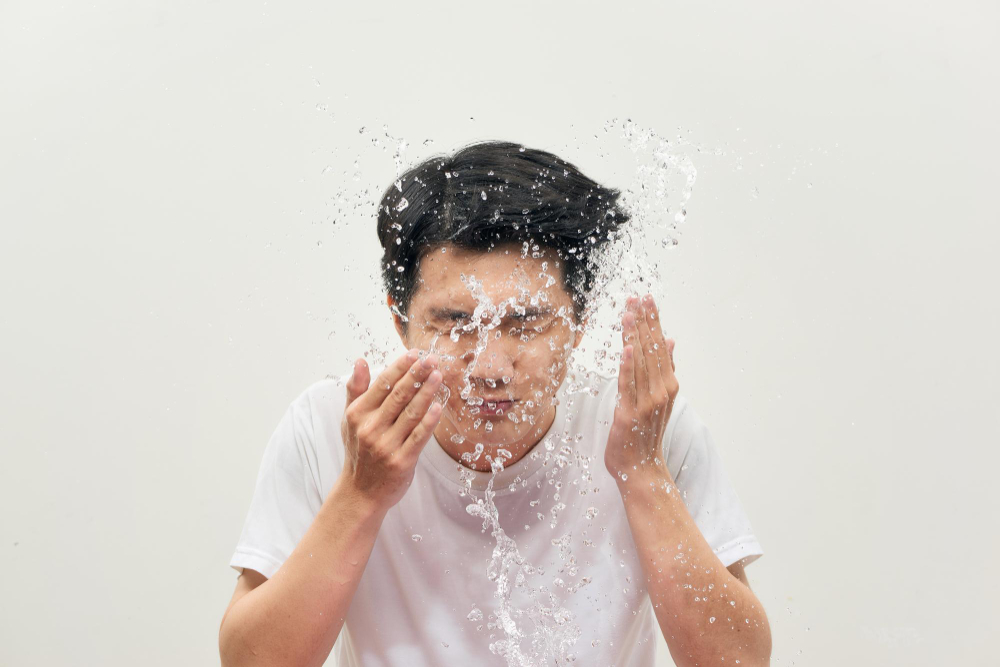
You might view rinsing as a simple step to wash off remaining shaving cream or stray hairs, but I assure you, it holds greater importance. A thorough rinse with warm water post-shave helps dislodge any remaining debris from your skin. This helps prevent pore-clogging and the ensuing acne or ingrown hairs, which can really put a damper on that smooth look you were going for.
The Healing Touch of Post-Shave Balm
As someone who has experienced the wonders of post-shave balms, I highly recommend incorporating them into your routine. Formulated to comfort and heal your skin after a razor’s scrape, they work tirelessly to replenish moisture and soothe irritation. Sealing in hydration, a post-shave balm creates a protective barrier that helps your skin retain moisture and stay resilient.
The Revival of the Aftershave
Contrary to what you may think, aftershave isn’t an outdated concept, but rather a tool that’s evolved with the times. Modern aftershaves have come a long way from their alcohol-saturated ancestors. Instead, they now boast skin-loving ingredients like aloe vera, witch hazel, and tea tree oil that work to soothe and protect your skin. Plus, let’s not forget, a fine aftershave leaves you smelling divine.
Protect and Hydrate
Hydration isn’t just about drinking eight glasses of water a day; your skin needs its share too, especially post-shave. A top-notch moisturizer should be a non-negotiable in your post-shave regimen. It helps to rehydrate your skin and form a protective layer against environmental stressors. Think of it as a security blanket for your face, preserving its health and integrity.
Wrapping It Up
Shaving isn’t merely a grooming task; it’s a ritual that deserves our respect and attention. And like any good ritual, it’s not about rushing to the end, but rather savoring each part of the process. The post-shave routine is the final act in this daily drama, and when carried out diligently, it ensures your skin’s wellbeing, radiance, and resilience.
So, fellow gentlemen, I urge you to rethink your post-shave routine. Give it as much attention as you would to your shave itself. Your skin will thank you, and you’ll see the difference — smoother shaves, healthier skin, and fewer worries. It’s about time we bring the art of the post-shave routine to the forefront. After all, looking good isn’t just about the shave; it’s also about how you care for your skin afterward.
Last update on 2024-04-25 / Affiliate links / Images from Amazon Product Advertising API
Affiliate Disclosure: This post contains affiliate links, which means I may receive a small commission, at no extra cost to you, if you make a purchase using these links.

Jay Kang
Just because i'm asian does not mean I don't need shaving. I always wanted to grow a beard when I was young, now I need to shave because hair growth for me is a problem. I'm going through what every man will and has gone through before.