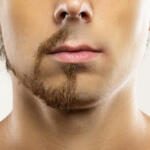

Wet shaving, a time-honored ritual that dates back centuries, is making a stylish comeback—and for good reasons! Shaving enthusiasts around the world are rediscovering the art of wet shaving as a way to elevate their grooming routine and embrace self-care.
In this comprehensive guide, we’ll explore the luxurious world of wet shaving, uncover its many benefits, share expert tips for achieving the perfect shave, and provide product recommendations for your journey into traditional shaving.
Let’s dive into the world of shaving brushes, rich lathering soaps, and sleek safety razors as we discover the art of wet shaving.
What is Wet Shaving?
Wet shaving is the traditional method of shaving that involves using water, a shaving brush, shaving soap or cream, and a safety razor to achieve a close and comfortable shave. The process is called “wet” shaving because it involves using water to soften the hairs and create a slick surface for the razor to glide over.
Wet shaving stands in contrast to modern practices that rely on disposable razors or electric shavers, offering a more mindful and satisfying experience. The ritual of wet shaving has been around for generations, and today, it’s making a resurgence as more people seek to connect with the roots of grooming excellence.
The Advantages of Wet Shaving
- Closer Shave: Wet shaving with a safety razor provides a closer shave compared to cartridge razors. The single-blade design allows for precision and control, leaving your skin feeling impeccably smooth and stubble-free.
- Reduced Irritation: Say goodbye to razor burn and ingrown hairs. Wet shaving helps reduce skin irritation by providing a protective layer of lather, reducing friction between the skin and the blade. The use of a single blade also minimizes tugging and pulling on the hair follicles.
- Cost-Effective: While the initial investment in a safety razor, brush, and soap might be higher, you’ll save money in the long run. Safety razor blades are significantly more affordable than cartridge refills, and they last longer too.
- Eco-Friendly: Wet shaving is a sustainable choice for the environmentally conscious. Safety razors are reusable and durable, and the use of traditional shaving soaps reduces plastic waste from aerosol cans and disposable razors.
- Mindful Ritual: Wet shaving is more than just a grooming routine—it’s a ritual that promotes mindfulness and self-care. Taking the time to indulge in the process allows for a moment of relaxation, reflection, and connection with tradition.
A Step-by-Step Guide to Wet Shaving
- Prep Your Skin: Start by washing your face with warm water to open the pores and soften the hairs. Exfoliating with a gentle scrub can also help remove dead skin cells and prepare the skin for shaving.
- Lather Up: Use your shaving brush to whip up a rich lather with your shaving soap or cream. The brush helps to lift and soften the hairs while creating a luxurious lather that protects your skin. Apply the lather to your face in circular motions.
- The Shave: Hold your safety razor at a 30-degree angle to your skin, and glide it gently over your skin, following the direction of hair growth. Take your time and let the razor do the work. Use short, light strokes and rinse the blade frequently to prevent clogging. Remember to reapply lather as needed.
- Rinse and Soothe: After completing your shave, rinse your face with cool water to close the pores and remove any remaining lather. Pat your skin dry with a clean towel. Apply an aftershave balm or lotion to soothe and moisturize the skin, reducing any redness or irritation.
- Clean and Store: Rinse your shaving brush and safety razor thoroughly to remove any lather or hair. Allow them to air dry before storing them in a well-ventilated area to prolong their lifespan.
Product Recommendations
To get the most out of wet shaving, it’s important to invest in quality tools. Here are some product recommendations for a great wet shaving experience:
| Product Type | Recommended Product | Why We Love It |
|---|---|---|
| Shaving Brush | Silvertip Badger Brush | Soft bristles for a luxurious lather |
| Safety Razor | Classic Double-Edge Razor | Sturdy handle and precise control |
| Shaving Soap | Sandalwood Shaving Soap | Rich lather with a masculine scent |
| Aftershave Balm | Soothing Aloe Vera Balm | Calms and moisturizes the skin |
Wet Shaving for All Skin Types
Wet shaving can be a rewarding experience for individuals with various skin types. The key is to choose the right products and adjust your technique to suit your skin’s unique needs. Here are some tips and recommendations for different skin types:
- Sensitive Skin:
- Choose products with gentle, soothing ingredients like aloe vera, chamomile, and calendula. These ingredients can help calm the skin and reduce irritation.
- Avoid fragrances, dyes, and harsh chemicals that may exacerbate sensitivity.
- Use light pressure when shaving with a safety razor to prevent nicks and irritation.
- Consider using a shaving oil underneath your lather for added protection and glide.
- Acne-Prone Skin:
- Use non-comedogenic shaving products that won’t clog pores or contribute to breakouts.
- Opt for shaving soaps or creams with antiseptic properties, such as tea tree oil or witch hazel, to help prevent infections.
- Avoid applying too much pressure with the razor to reduce the risk of aggravating existing acne.
- Rinse your razor frequently during the shave to prevent bacteria buildup.
- Dry Skin:
- Hydrate your skin before shaving by washing your face with warm water and using a moisturizing cleanser.
- Look for shaving soaps or creams with nourishing ingredients like shea butter, glycerin, or jojoba oil to add moisture to the skin.
- Apply a hydrating aftershave balm or lotion after shaving to lock in moisture and prevent dryness.
- Avoid alcohol-based aftershaves, as they can strip the skin of natural oils.
- Oily Skin:
- Use an oil-free or water-based shaving cream to prevent excess oiliness.
- Choose products with mattifying or astringent properties, such as witch hazel or salicylic acid, to help control oil production.
- Cleanse your face before shaving to remove excess oil and reduce the risk of clogged pores.
- Apply an oil-free aftershave gel or lotion to soothe the skin without adding shine.
- Combination Skin:
- Customize your wet shaving routine by using different products on different areas of your face. For example, use a hydrating shaving cream on dry areas and a mattifying cream on oily areas.
- Consider using an alcohol-free aftershave toner or splash to balance the skin’s oil levels.
- Pay attention to how your skin reacts to different products and adjust your routine as needed.
- Mature Skin:
- Choose shaving products with anti-aging ingredients, such as hyaluronic acid, peptides, or retinol, to promote firmness and elasticity.
- Use a rich, creamy lather to provide ample cushion and protection for the skin.
- Opt for a safety razor with an adjustable blade angle to customize the aggressiveness of the shave.
- Follow up with a nourishing aftershave balm or serum to replenish the skin and reduce the appearance of fine lines.
By understanding your skin type and tailoring your wet shaving routine accordingly, you can achieve a comfortable and enjoyable shaving experience that leaves your skin looking and feeling its best.
- Normal Skin:
- Individuals with normal skin can enjoy a wide range of wet shaving products. Look for shaving soaps or creams with natural ingredients that nourish and protect the skin.
- Experiment with different safety razors, including adjustable models, to find the one that offers the most comfortable and precise shave.
- Follow your shave with an aftershave balm or lotion that matches your skin’s needs and preferences. Look for formulas with soothing and moisturizing ingredients like aloe vera or vitamin E.
- Normal skin is generally well-balanced, but always monitor how your skin responds to different products and adjust your routine as needed.
- Reactive or Easily Irritated Skin:
- If your skin is prone to redness or irritation, choose hypoallergenic shaving products that are free of common irritants such as fragrances, dyes, and parabens.
- Opt for shaving soaps or creams with calming ingredients like chamomile, allantoin, or aloe vera to reduce redness and inflammation.
- Use a sharp, clean blade and minimal pressure when shaving to prevent skin irritation. Consider a safety razor with a closed comb design for added protection.
- Post-shave, apply a soothing aftershave balm or gel that is specifically formulated for reactive skin to calm and comfort the skin.
Debunking Wet Shaving Myths
- Myth: Wet shaving is time-consuming.
- Truth: Once you get the hang of it, wet shaving takes about the same amount of time as using a disposable razor.
- Myth: Wet shaving is dangerous.
- Truth: With proper technique, wet shaving is safe and comfortable.
Join the Wet Shaving Revival
Wet shaving is more than just a grooming routine—it’s a ritual that promotes mindfulness and self-care. When you take the time to indulge in wet shaving, you’re giving yourself a moment of relaxation and pampering. The wet shaving community is a welcoming and supportive space where you can learn, share, and connect with fellow enthusiasts. Join online forums, watch wet shaving tutorials, and participate in discussions to enhance your experience.
Tips for a Successful Wet Shave
- Always start with clean skin. Use a gentle cleanser to remove dirt, oil, and impurities before you begin shaving.
- Don’t rush the process. Wet shaving is a mindful ritual that should be enjoyed. Take your time to create a rich lather and glide the razor smoothly over your skin.
- Experiment with different products. From shaving soaps with invigorating scents to safety razors with adjustable blade angles, there are endless options to customize your wet shaving experience.
- Use light pressure. Let the weight of the safety razor do the work for you. Applying too much pressure can lead to nicks and irritation.
- Rinse your blade frequently. Keep your blade clean by rinsing it in warm water after each pass. This ensures a smooth shave and prevents clogging.
The Wet Shaving Community
As wet shaving grows in popularity, so does the community of enthusiasts who are passionate about this traditional practice. Join online forums, watch wet shaving tutorials, and connect with fellow wet shavers to share tips, techniques, and product recommendations. You’ll find that the wet shaving community is a welcoming and supportive space where you can learn and grow in your shaving journey.
In Conclusion
Wet shaving is a timeless tradition that offers a range of benefits, from a closer shave to reduced skin irritation. With the right tools, products, and technique, you can elevate your grooming routine and enjoy a luxurious shaving experience. Whether you’re new to wet shaving or a seasoned pro, we hope this article has inspired you to embrace the art of wet shaving and discover its many rewards.
So, grab your shaving brush, lather up, and embark on a journey that takes you back to the roots of grooming excellence. Happy wet shaving!
Last update on 2024-04-23 / Affiliate links / Images from Amazon Product Advertising API
Affiliate Disclosure: This post contains affiliate links, which means I may receive a small commission, at no extra cost to you, if you make a purchase using these links.

Jay Kang
Just because i'm asian does not mean I don't need shaving. I always wanted to grow a beard when I was young, now I need to shave because hair growth for me is a problem. I'm going through what every man will and has gone through before.