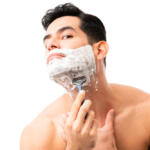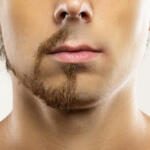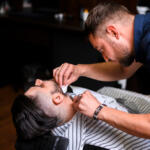

Your preparations for that dream job interview are in full swing. You’ve sorted the perfect outfit and diligently brushed up on the trickiest interview questions. Suddenly, you notice your facial hair in the mirror. The question flashes in your mind, “Should I shave before a job interview?”
Don’t panic! We’re here to help you tackle this grooming conundrum with our comprehensive guide, complete with expert advice, practical tips, and key dos and don’ts. Let’s get to it!
Making A Lasting First Impression
In job interviews, first impressions are crucial. The way you present yourself can leave a lasting impact. So, remember to bring your A-game. Here are some handy tips to make that crucial first impression count:
- Dress in a manner that fits with the company culture and industry.
- Grooming is paramount – don’t overlook the details, including your facial hair and hairstyle.
- Maintain a confident demeanor and positive attitude.
To Shave or Not to Shave – That Is the Question!
Deciding whether to shave before a job interview can be tricky. Here are the essential factors to consider when making your decision:
Evaluate Your Beard
- Does your beard look full and well-groomed, or does it appear patchy and unkempt?
- Does your facial hair enhance your overall appearance and style?
- Are you comfortable and confident with your current look?
Understanding the Company Culture
- Is the company traditional and conservative, or does it lean towards a casual, creative vibe?
- Is there any mention of facial hair in the company dress code?
- What image does the company portray on its website and social media platforms?
Considering the Industry and Position
- Are there specific hygiene or safety rules related to your grooming choices (e.g., in the food or health industries)?
- Does the industry promote individuality and self-expression?
Cultural and Religious Sensitivities
- Ensure you consider any cultural or religious factors influencing your grooming choices. Remember, an inclusive company will respect your personal beliefs.
Grooming Essentials for Acing Your Interview
Whether you opt to shave or retain your beard, looking neat and polished is key. Here are some expert grooming tips to ensure you look your best:
For the Clean-Shaven Look:
- Use a sharp razor and premium shaving cream for a smooth shave.
- Shave with the grain to minimize skin irritation.
- Apply an aftershave balm for a soothing and refreshing finish.
For the Bearded Individuals:
- Regularly trim and shape your beard to keep it looking well-groomed.
- Use quality beard oil for added softness and moisture.
- Comb your beard regularly to maintain a neat appearance.
Grooming Dos and Don’ts at a Glance
Do’s
- Research the company culture.
- Trim and shape your beard.
- Use quality grooming products.
- Take into account industry expectations.
- Respect cultural practices.
Don’ts
- Neglect your overall appearance.
- Sport a patchy or unruly beard.
- Ignore hygiene and safety standards.
- Overlook the company dress code.
- Feel pressured to fit a certain mold.
Final Thoughts: Confidence is Key
In the end, the decision to shave or not before a job interview is entirely personal. The most crucial factor is that you feel confident, at ease, and prepared to showcase your skills and talents. So, whether you go clean-shaven or choose to wear your well-groomed beard with pride, remember – you’ve got this! Go ahead and put your best face forward. Good luck!
Last update on 2024-04-18 / Affiliate links / Images from Amazon Product Advertising API
Affiliate Disclosure: This post contains affiliate links, which means I may receive a small commission, at no extra cost to you, if you make a purchase using these links.

Jay Kang
Just because i'm asian does not mean I don't need shaving. I always wanted to grow a beard when I was young, now I need to shave because hair growth for me is a problem. I'm going through what every man will and has gone through before.