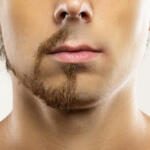
Have you been battling razor bumps? Those pesky red, itchy bumps that make you want to hide behind turtlenecks and full-length pants? There’s a solution sitting right in your kitchen cabinet – coconut oil! Let’s explore how coconut oil can revolutionize your fight against razor bumps.
The Magic of Coconut Oil for Razor Bumps
Coconut oil, a natural, potent remedy, can help soothe razor bumps and even prevent their recurrence. What exactly makes coconut oil this special? Let’s uncover the reasons:
- Anti-Inflammatory Properties: These help diminish swelling and redness.
- Moisturizing: This keeps the skin hydrated, preventing the aggravation of existing bumps.
- Antibacterial Benefits: This protects the bumps from escalating into infections.
Implementing Coconut Oil to Tackle Razor Bumps
Incorporating coconut oil into your shaving routine is straightforward. Apply it to the area affected by razor bumps after you shave. For a more preventive approach, you can add a few drops to your shaving cream or lotion. Here’s how you can go about it:
- Clean the razor bump-ridden area with mild soap and water.
- Apply a small quantity of coconut oil to your fingertips.
- Massage the oil gently onto the razor bumps.
- Let it work its magic for at least 20 minutes, then rinse it off with warm water.
What Other Oils Can Help with Razor Bumps?
While coconut oil is an excellent choice, a few other oils also prove effective against razor bumps:
| Oil | Properties | How to Use |
| Tea Tree Oil | Possesses antibacterial and anti-inflammatory properties | Apply a few drops post-shaving |
| Jojoba Oil | Mimics skin’s natural oil, which provides soothing and moisturizing effects | Massage onto razor bumps post-shaving |
Safety Measures and Precautions
While coconut oil is typically safe for most, it’s prudent to perform a patch test on a small patch of skin to rule out any allergic reactions. If you experience redness, itching, or any other adverse reaction, immediately stop its use and consult a dermatologist.
Best Coconut Oil for Shaving
Here are our top picks for the best coconut oil for shaving:
- Thrive Market Organic Virgin Coconut Oil: Certified organic, non-GMO, and Fair Trade.

- Nutiva Organic Virgin Coconut Oil: Cold-pressed, unrefined, and rich in nutrients.

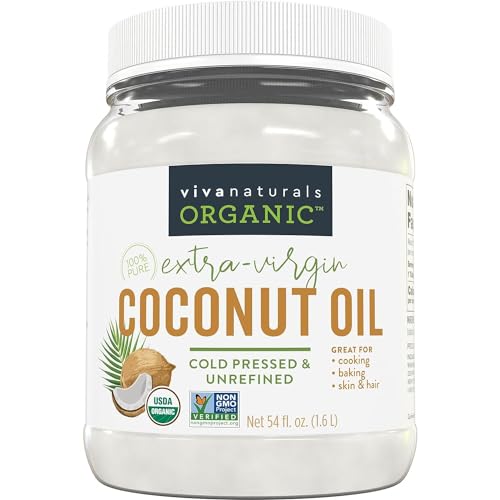
- Viva Naturals Organic Extra Virgin Coconut Oil: USDA organic, cold-pressed, and great for all skin types.
Final Thoughts
Coconut oil has been revered for its myriad benefits, especially in skincare. Using coconut oil for tackling razor bumps, improving your shaving experience, and caring for your skin post-shave can yield soothing and hydrating effects.
Owing to its anti-inflammatory, antibacterial, and moisturizing traits, coconut oil stands as a natural, gentle substitute for traditional shaving creams and gels. So, why not give it a whirl and let your skin bask in the goodness of coconut oil!
And remember, if you have specific concerns or queries, don’t hesitate to seek personalized advice from a dermatologist or skincare expert. Happy shaving!
Last update on 2024-04-23 / Affiliate links / Images from Amazon Product Advertising API
Affiliate Disclosure: This post contains affiliate links, which means I may receive a small commission, at no extra cost to you, if you make a purchase using these links.

Jay Kang
Just because i'm asian does not mean I don't need shaving. I always wanted to grow a beard when I was young, now I need to shave because hair growth for me is a problem. I'm going through what every man will and has gone through before.