Are you looking to grow more facial hair? Whether you’re trying to fill in a patchy mustache or cultivate an impressive beard, we’ve got the tips and tricks you need. Read on to learn how to get your facial hair growing strong and healthy!
Table Of Contents
−Be Patient, Young Grasshopper
It is important to be patient when growing facial hair, as it doesn’t happen overnight. Everyone’s face is different, and facial hair’s growth rate varies from person to person. The best way to encourage faster growth is to focus on nutrients and exercise, which can help increase testosterone levels and improve circulation.
Additionally, brushing your beard daily can help stimulate the follicles and keep it clean and moisturized. However, no matter what you do, it will take time for your facial hair to grow – so be a patient, young grasshopper. Taking the time to ensure you provide the right nourishment for your beard will result in a thicker and fuller beard in the long run.
Use Your Face Shape to Sculpt Your Beard
Once you have the patience and nutrition to grow your facial hair, it’s time to sculpt it according to your face shape. This is where a good beard trimmer comes in. If you have an oval face, you’ll want to keep your beard shorter on the sides and fuller on the chin.
Alternatively, a bushier beard can add some texture if you have a square face. For those with a round face, try growing facial hair higher up the cheeks for a more defined look. When it comes to sideburns, give them some width and trim the straggling hairs. Remember to brush your beard in the same direction once you’ve trimmed it for a neat look.
Focus on the Following Nutrients (Especially Omega-3’s)
It is important to focus on the nutrients needed to help you grow a fuller, healthier beard, especially omega-3 fatty acids.
The importance of Omega-3 fatty acids for facial hair growth
Omega-3 fatty acids are essential for facial hair growth, as they help to increase circulation and promote cell growth. Studies showed that Omega-3s also help reduce inflammation, preventing hair follicles from becoming clogged and blocked, leading to healthy and strong facial hair growth.
Other essential vitamins and minerals to focus on
In addition to omega-3 fatty acids, other essential vitamins, and minerals are important for facial hair growth.
- Vitamin D, for example, helps stimulate key hormones that can increase beard growth.
- Vitamin B is thought to prevent graying and stimulate blood circulation, which can help make hair thicker.
- Zinc helps regulate testosterone levels and sebum production, essential for healthy skin and hair growth.
- Iron is also needed to help your body make hair cells, while calcium helps your body absorb iron better.
- Finally, magnesium helps keep your skin and scalp healthy, which can help promote facial hair growth.
Which foods are high in Omega-3’s and other helpful nutrients
Omega-3 fatty acids, vitamins A, C, and E, and high-protein, low-glycemic diets can help promote healthy growth. Salmon, nuts, avocados, and fish are all great sources of omega-3s and vitamin D.
Eating protein-rich foods such as chicken, fish, eggs, nuts, and yogurt can also help promote healthy hair growth. Fish and seafood are some of the human diet’s richest sources of omega-3 fats.
Additionally, foods high in omega-6 fats, like corn and safflower, should be avoided since they can promote inflammation. By incorporating these nutritional elements into your diet, you’ll be on your way to growing more facial hair!
Increase Testosterone Levels
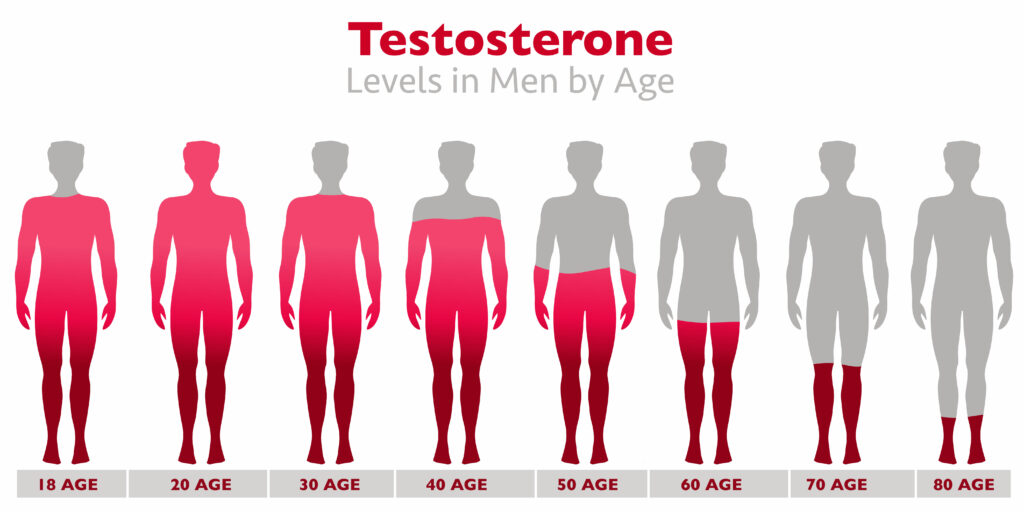
While patience is always important regarding facial hair growth, testosterone levels can have a major impact. Testosterone, the male sex hormone, is responsible for beard growth in men, and low testosterone can adversely affect the growth rate.
For those with low testosterone levels, taking supplements under a doctor’s supervision may help to increase their beard growth.
Additionally, focusing on foods high in zinc and other vitamins and minerals can help increase testosterone levels. Foods such as olive oil and coconut oil stimulate the enzyme that produces testosterone and is a great way to prepare your veggies.
Regular exercise can also help to boost testosterone levels naturally, brushing your beard regularly and keeping it clean and moisturized with natural oils and balms. If you’re still struggling with facial hair growth despite trying all these steps, don’t hesitate to contact a professional for additional advice.
Exercise Regularly
Exercising regularly is an excellent way to stimulate facial hair growth. Resistance training, paired with a healthy diet, helps increase testosterone production, which is directly linked to facial hair growth.
Exercise also improves blood flow, which helps stimulate the hair follicles. Aim to do short, intense exercises such as lifting weights and HIIT (high-intensity interval training).
Additionally, focus on the nutrients mentioned above to ensure your body has the right building blocks to grow facial hair. With patience and consistency in your daily routine, you’ll be able to achieve the facial hair you’ve always wanted.
Brush Your Beard
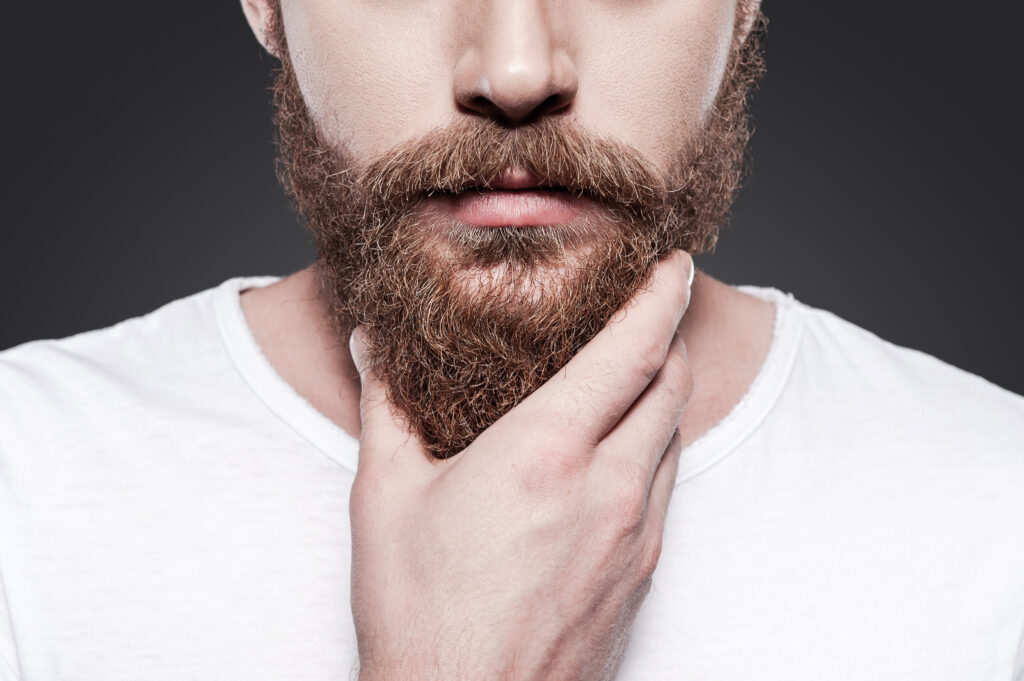
Brushing your beard is an important part of facial hair growth. It helps distribute natural oils, stimulate blood flow, exfoliate the skin, and remove dead hair. When brushing your beard, it is important to use a boar’s hair brush and brush in the direction you want your beard to grow.
This will help to train your facial hair to grow in a downward direction. Brushing will also help keep your beard clean and healthy, making it easier to maintain a healthy beard.
Keep Your Beard Clean and Moisturized
Keeping your beard clean and moisturized is important to promote facial hair growth. Regular washing and conditioning of your beard will help keep it free of dirt and debris, while moisturizing will help lock in the natural oils produced by your skin.
Be sure to choose a mild shampoo and conditioner specifically formulated for men, as these products are designed to work with your skin’s natural chemistry.
After cleaning, use an exfoliating scrub to remove any dead skin cells that can irritate. Towel dry your beard and then apply a moisturizer that contains an SPF.
Apply a beard conditioner or oil daily to soften the hair and ensure proper hydration. Lastly, use a moisturizing cream or lotion with broad-spectrum sunscreen for extra hydration.
Regular care and maintenance allow you to enjoy a healthy, attractive beard that looks great all day long.
Use Natural Oils and Balms
It is important to use natural oils and balms to get the best results when growing more facial hair. Unrefined jojoba oil, pure argan oil, almond oil, olive oil, avocado oil, castor oil, and coconut oil are all popularly used in beard oils and can help to moisturize the skin beneath your beard naturally.
This removes dead skin cells and promotes healthy beard growth. Additionally, essential oils such as rosemary and lavender can strengthen hair growth. Moroccan Argan Oil is also helpful for additional moisture and a glossy look.
Finding the right combination of natural oils for your beard can help you grow more facial hair and keep it looking healthy.
Get Professional Help If Necessary
If you’re still struggling to grow facial hair, it may be time to consider professional help. A dermatologist could help diagnose and treat any underlying medical condition impacting your hair growth.
Additionally, a qualified barber or stylist can help you shape and groom the beard you already have and provide advice on how to care for it. With the right tools and guidance, you can achieve the facial hair look you desire in no time.
Conclusion
In conclusion, growing thicker facial hair and fixing patchy beards requires patience and dedication. It’s important to focus on the nutrients that promote healthy hair growth, such as Omega-3 fatty acids. Therefore, eating foods rich in Omega-3s and other key vitamins and minerals is essential.
Regular exercise and proper beard care are also necessary for optimal facial hair growth. Using natural oils and balms is also important to keep the beard clean and moisturized. If all else fails, it may be time to seek professional help.
Last update on 2024-04-20 / Affiliate links / Images from Amazon Product Advertising API
Affiliate Disclosure: This post contains affiliate links, which means I may receive a small commission, at no extra cost to you, if you make a purchase using these links.

Jay Kang
Just because i'm asian does not mean I don't need shaving. I always wanted to grow a beard when I was young, now I need to shave because hair growth for me is a problem. I'm going through what every man will and has gone through before.