
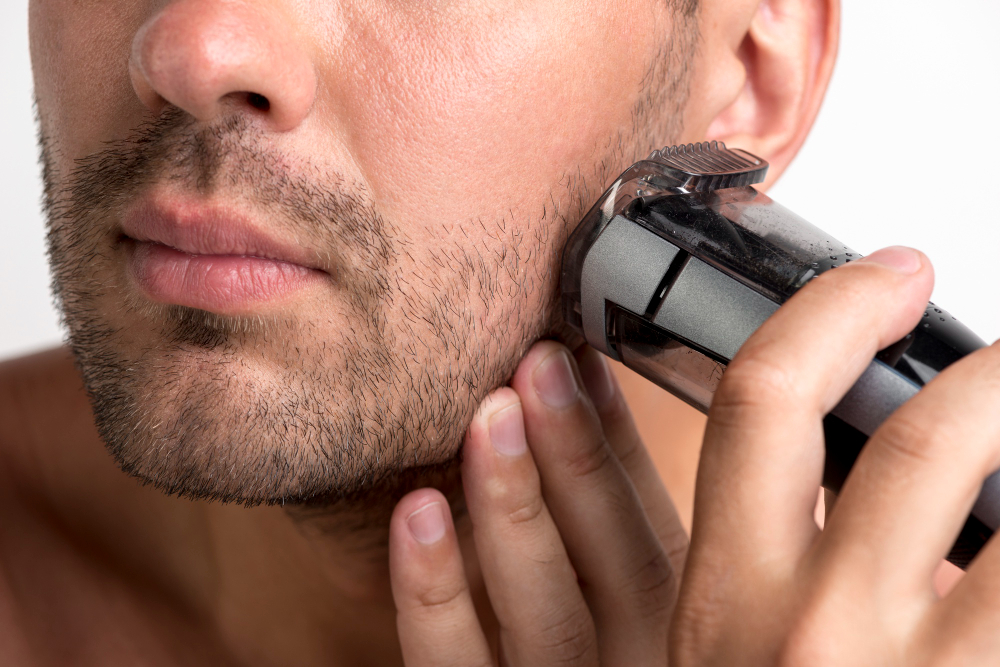
Dry shaving is a grooming technique that’s won the hearts of many for its convenience and speed, especially for those busy mornings. But what exactly is dry shaving, and how can you master the art of the quick shave without sacrificing comfort and style?
Table Of Contents
−Join us as we explore everything you need to know about dry shaving, along with expert tips to help you achieve a smooth, comfortable shave—sans water and cream!
What Is Dry Shaving, and How Does It Work?
Dry shaving is a method of shaving that doesn’t require shaving soap, cream, water, or any form of lubrication. Instead, it relies on electric shavers to trim facial hair. Electric shavers are designed with sharp blades that cut the hair just above the skin’s surface, making it a gentler option for some individuals who experience irritation from traditional wet shaving.
Foil Shavers vs. Rotary Shavers: A Comparison
There are two main types of electric shavers: foil shavers and rotary shavers. Here’s a quick comparison to help you decide which one is right for you:
| Foil Shavers | Rotary Shavers |
|---|---|
| Oscillating blades covered by a thin perforated foil | Rotating blades within circular heads |
| Suited for shorter hairs and fine hair | Suited for longer and thicker hair |
| Precise shave, ideal for straight lines | Better for contouring to the face |
| Recommended for daily use | Can handle a few days of hair growth |
Both types are effective, but the choice between them comes down to personal preference and hair type.
Dry Shaving: The Perks and the Drawbacks
One of the major advantages of dry shaving is its convenience. With no need for water or shaving cream, you can shave anywhere, anytime—be it during your morning commute or in the office bathroom before a meeting. It’s a go-to option for travelers and those with a fast-paced lifestyle.
Many people also find that dry shaving causes less irritation. Electric shavers cut hair above the skin, minimizing the risk of razor burn and ingrown hairs.
That said, dry shaving has its limitations. It may not achieve as close a shave as wet shaving, and the resulting stubble may be noticeable sooner. Additionally, electric shavers require regular cleaning and maintenance to keep them functioning optimally.
Skin Care Tips for Dry Shaving
Proper skin care is essential to a comfortable dry shaving experience. Here are some tips to keep your skin healthy and smooth:
- Exfoliate Regularly: Exfoliating your skin before shaving helps remove dead skin cells, allowing the shaver to glide smoothly and reducing the risk of ingrown hairs.
- Moisturize After Shaving: Use a hydrating moisturizer or aftershave balm after shaving to soothe and nourish your skin.
- Consider an Electric Shaving Lotion: Electric shaving lotions can stiffen hairs and reduce friction, making for a more comfortable shave.
Tips for a Successful Dry Shave
Ready to give dry shaving a try? Here are some expert-approved tips to help you get started:
- Prep Your Skin: Begin with clean skin by washing your face with a gentle cleanser.
- Go Dry: Make sure your face is completely dry before you start shaving.
- Choose Your Shaver: Select an electric shaver that suits your needs.
- Keep It Taut: Use your free hand to hold the skin taut as you shave.
- Be Mindful of Sensitive Areas: Start with more sensitive areas like the neck.
- Clean Your Shaver: After each use, clean your electric shaver according to the manufacturer’s instructions.
Recommended Products
Looking for a quality electric shaver? Here are a few recommendations from reputable brands:
- Braun Series 9: A top-of-the-line foil shaver known for its precision and comfort.
- Philips Norelco Shaver 7000: A rotary shaver with SkinProtect technology for a gentle shave.
- Remington F5-5800: A budget-friendly foil shaver with Intercept Shaving Technology.
- Panasonic Arc5: A foil shaver with five ultra-sharp blades and a flexible pivoting head.
- Andis Profoil Lithium Plus: A lightweight foil shaver ideal for finishing fades and removing stubble.
Frequently Asked Questions (FAQs) About Dry Shaving
Q: Can dry shaving cause skin irritation? A: While dry shaving can be gentler, some individuals may experience irritation. Electric shaving lotions can help reduce friction.
Q: How often should I replace the blades or foil of my electric shaver? A: Generally, replace the blades or foil every 12 to 18 months, but check the manufacturer’s recommendations.
Q: Can I use an electric shaver on wet skin or with shaving cream? A: Some electric shavers are designed for both wet and dry use. Check the manufacturer’s instructions.
Q: Is dry shaving suitable for women? A: Yes, dry shaving is suitable for anyone. There are electric shavers designed specifically for women’s grooming needs.
Key Takeaways
- Dry shaving is a convenient method of shaving that doesn’t require water, cream, or lubrication.
- There are two main types of electric shavers: foil shavers and rotary shavers.
- Dry shaving is quick and can cause less irritation, but may not achieve as close a shave as wet shaving.
- Proper skin care, including exfoliating and moisturizing, is essential for a comfortable dry shave.
- Electric shavers require regular cleaning and maintenance for optimal performance.
In Conclusion
Dry shaving is a convenient and efficient grooming technique that’s perfect for on-the-go individuals. With the right electric shaver and some expert tips, you can enjoy a quick and comfortable shave anytime, anywhere. Whether you’re a seasoned dry shaver or just starting your journey, we hope this comprehensive guide has provided you with valuable insights into the art of the quick shave.
[Note: All product recommendations and expert advice provided in this article are based on research and general information. Readers are encouraged to explore and choose products that best suit their individual needs and preferences.]
Last update on 2024-04-20 / Affiliate links / Images from Amazon Product Advertising API
Affiliate Disclosure: This post contains affiliate links, which means I may receive a small commission, at no extra cost to you, if you make a purchase using these links.

Jay Kang
Just because i'm asian does not mean I don't need shaving. I always wanted to grow a beard when I was young, now I need to shave because hair growth for me is a problem. I'm going through what every man will and has gone through before.