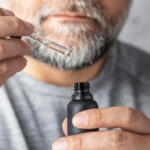

Shaving is a grooming routine that many of us perform regularly. Whether it’s a clean shave or a carefully groomed beard, the process involves the use of razors or trimmers, which can sometimes leave the skin feeling sensitive and irritated.
Table Of Contents
−- Mistake #1: Skipping the Aftershave Altogether
- Mistake #2: Applying Aftershave to Dry Skin
- Mistake #3: Using Too Much Aftershave
- Mistake #4: Ignoring the Ingredients
- Mistake #5: Neglecting to Moisturize After Aftershave
- Mistake #6: Rubbing Aftershave Vigorously
- Mistake #7: Neglecting the Neck Area
- Mistake #8: Applying Aftershave to Open Wounds
- Mistake #9: Ignoring Skin Sensitivity
- Mistake #10: Not Paying Attention to Expiration Dates
- Conclusion: Enjoy a Refreshing and Soothing Aftershave Experience
That’s where aftershave comes in! However, applying aftershave isn’t as simple as just splashing it on your face—there are some common mistakes to avoid to ensure that your skin stays healthy and irritation-free.
Let’s dive into some of these mistakes, as well as tips on how to apply aftershave the right way!
Mistake #1: Skipping the Aftershave Altogether
You may be thinking, “Why do I need aftershave anyway?” Well, aftershave isn’t just a fancy fragrance; it actually serves a purpose. When you shave, your skin can become irritated, and small nicks and cuts are common. Aftershave acts as an antiseptic to prevent infection and also soothes the skin to reduce irritation. Skipping aftershave could lead to razor burn, bumps, and even ingrown hairs.
Tip: Make Aftershave Part of Your Shaving Routine
Incorporate aftershave into your shaving routine, and you’ll notice the difference. Your skin will feel refreshed, soothed, and ready to take on the day!
Mistake #2: Applying Aftershave to Dry Skin
If you’re in the habit of patting your face dry before applying aftershave, you might want to rethink that. Applying aftershave to dry skin can cause it to evaporate quickly, reducing its effectiveness.
Tip: Apply Aftershave to Damp Skin
For the best results, apply aftershave to damp skin right after rinsing off your shaving cream. This will help lock in moisture and maximize the soothing effects of the aftershave.
Mistake #3: Using Too Much Aftershave
We’ve all seen it in movies—the protagonist splashes a generous amount of aftershave on their face and winces at the sting. However, in reality, less is more when it comes to aftershave. Using too much can be overwhelming, not to mention wasteful.
Tip: Use a Moderate Amount
A little aftershave goes a long way. Use a moderate amount—about the size of a dime—and gently pat it onto your skin. You’ll still get the desired effects without feeling like you’ve doused yourself in cologne.
Mistake #4: Ignoring the Ingredients
Not all aftershaves are created equal, and some contain ingredients that can be harsh on the skin, such as alcohol or synthetic fragrances. It’s important to read the labels and know what you’re putting on your skin.
Tip: Look for Skin-Friendly Ingredients
When choosing an aftershave, opt for one with skin-friendly ingredients like aloe vera, chamomile, and witch hazel. These ingredients have soothing and anti-inflammatory properties, making them great for post-shave care.
Mistake #5: Neglecting to Moisturize After Aftershave
Aftershave is great for soothing the skin, but it’s not a replacement for a moisturizer. To keep your skin feeling soft and hydrated, it’s important to follow up with a moisturizer after applying aftershave.
Tip: Apply a Moisturizer to Lock in Hydration
After applying your aftershave, wait a few minutes for it to dry before applying a moisturizer. Choose a moisturizer that is suitable for your skin type, whether it’s oily, dry, or sensitive. This additional step will lock in hydration and keep your skin feeling smooth and supple throughout the day.
Mistake #6: Rubbing Aftershave Vigorously
Applying aftershave should be a gentle and soothing experience. However, some people have the habit of rubbing aftershave vigorously onto their skin. This can lead to irritation, especially if your skin is already sensitive from shaving.
Tip: Pat Aftershave Gently onto Your Skin
When applying aftershave, avoid rubbing it in. Instead, use your fingertips to gently pat it onto your face and neck. This gentle patting motion will help distribute the aftershave evenly without causing any additional irritation.
Mistake #7: Neglecting the Neck Area
When applying aftershave, it’s easy to focus solely on the face and forget about the neck area. However, the neck is often shaved as well and can experience the same irritation and sensitivity as the face.
Tip: Remember to Include Your Neck
Don’t forget to apply aftershave to your neck as well. Be sure to cover the entire shaved area, from your jawline down to the base of your neck, to ensure that all areas are soothed and protected.
Mistake #8: Applying Aftershave to Open Wounds
Shaving can sometimes result in small cuts or nicks. While aftershave has antiseptic properties, applying it directly to open wounds can cause stinging and discomfort.
Tip: Be Cautious with Cuts and Nicks
If you have any open wounds from shaving, avoid applying aftershave directly to those areas. Allow the wounds to close and heal before using aftershave on the affected areas.
Mistake #9: Ignoring Skin Sensitivity
Some people have more sensitive skin than others, and certain aftershave products may cause irritation or an allergic reaction.
Tip: Perform a Patch Test
If you have sensitive skin or are trying a new aftershave product, consider performing a patch test. Apply a small amount of aftershave to a discreet area of your skin, such as behind your ear or on your wrist, and wait for 24 hours to see if any irritation or redness occurs. If you experience any adverse reactions, discontinue use and consider trying a different product.
Mistake #10: Not Paying Attention to Expiration Dates
Like all skincare products, aftershave has an expiration date. Using expired aftershave can reduce its effectiveness and may even lead to skin irritation.
Tip: Check the Expiration Date
Before using aftershave, check the expiration date to ensure it’s still safe to use. If the product is past its expiration date, it’s best to dispose of it and purchase a new one.
Conclusion: Enjoy a Refreshing and Soothing Aftershave Experience
There you have it—common mistakes to avoid when applying aftershave and tips for making the most of this refreshing grooming step. By being mindful of how you apply aftershave and choosing products with skin-friendly ingredients, you can enjoy a soothing experience that leaves your skin feeling refreshed and rejuvenated. So go ahead, splash on that aftershave and confidently take on the day!
Remember, aftershave is more than just a fragrance—it’s an essential part of your grooming routine that helps keep your skin healthy and irritation-free. With these tips in mind, you’ll be well on your way to achieving the perfect post-shave experience. Happy grooming!
Last update on 2024-04-25 / Affiliate links / Images from Amazon Product Advertising API
Affiliate Disclosure: This post contains affiliate links, which means I may receive a small commission, at no extra cost to you, if you make a purchase using these links.

Jay Kang
Just because i'm asian does not mean I don't need shaving. I always wanted to grow a beard when I was young, now I need to shave because hair growth for me is a problem. I'm going through what every man will and has gone through before.