Are you wondering if you can use regular soap for shaving? Maybe you’re looking to make your shaving cream at home or don’t want to invest in a more expensive product.
If so, this blog post is for you! We’ll explore the advantages and disadvantages of using regular soap to shave and provide tips on getting the best results.
Is it Possible to Shave with Regular Soap?
Yes, it is possible to shave with regular soaps. However, it is not recommended, as the benefits of shaving soap are superior.
Shaving soaps are specifically formulated to produce a thicker and creamier lather that is both lubricating and hydrating, making it a much better option for a smooth, clean shave.
Regular soap can lead to build-up on the razor and can dry the skin, resulting in irritation. So while you may be able to use regular soap for your shave, it doesn’t quite work as well as regular shaving soap.
What Makes Shaving Soaps Different?
While all soaps can lather, shaving soaps are specifically formulated to produce a thicker and creamier lather that is both lubricating and protective. The formulation is different, as it has added ingredients to aid in lathering and increase razor glide.
This difference is imperative as ingredients make shaving over irregular surfaces easier and provide a smoother shave. Shaving soap has better lubrication and less drying when leaving it on your skin, making it the preferred choice for most straight razor connoisseurs.
Click on the following link if you want to know the difference between shaving and regular soap.
What is the Best Soap for Shaving?
Choosing the best soap for shaving is essential for achieving a smooth and clean shave. Whether you have the ingredient packaged label or google the ingredients of the soap you have on your hand, these are the ingredients you are looking for if you’re looking to shave with a regular soap.
- Coconut Oil: Coconut oil is a great choice for a rich, bubbly lather with 30% content.
- Fats and Glycerin: Quality shaving soap should contain a high level of vegetable or tallow fats, ideally 1/4 cup of olive, almond, or coconut oil.
- Stearic Acid: Stearic acid is an essential ingredient in any soap-making process and helps create the stable lather, slickness, and softening qualities needed for a good shave.
- Soy Wax: Soy wax has a high percentage of stearic acid, making it a great choice for lathering and whisker softening.
How to Use Regular Soap for Shaving
But if you’re in a pickle or forgot to refill your shaving soap and need a shaving, here’s what you need to know when shaving with regular soap.
Before using regular soap for shaving, it is important to prepare the skin properly. Wet your face with warm water and lather the soap in your hands until you get a nice foamy lather. When lathering the soap, use a gentle but firm stroke and move in the same direction as your hair growth.
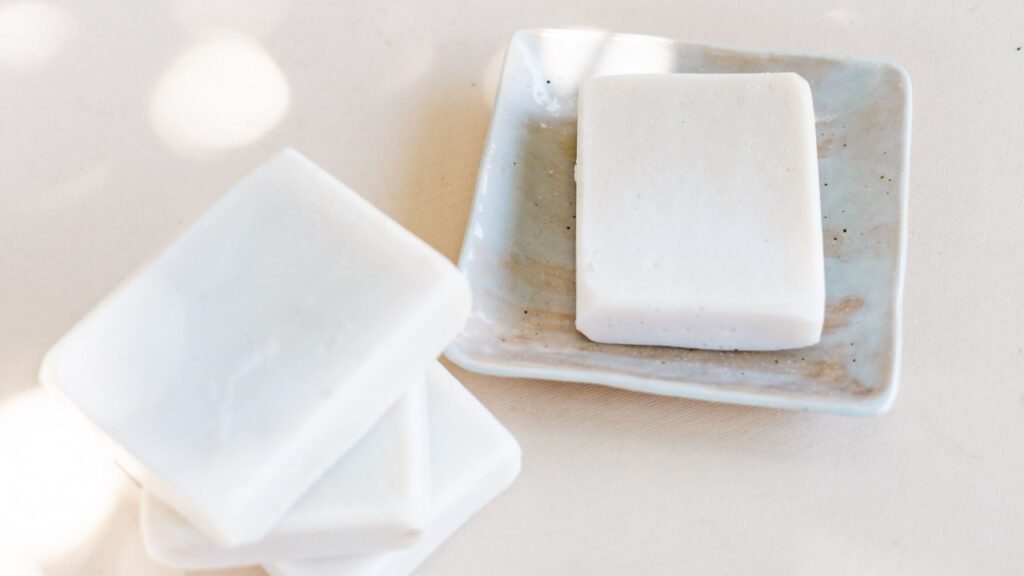
With regular soap, you can’t hold the soap in a bowl with its rectangle-shaped design, so your hand needs to do most of the work.
Then, gently massage the lather onto your face in circular motions for about two minutes. Make sure to apply enough soap so that you have good lubrication on your skin. After that, you can start shaving as usual. When finished, rinse off the soap thoroughly with warm water and pat dry with a towel.
Tips to Avoid Skin Irritation from Shaving with Regular Soap
To reduce the risk of skin irritation from shaving, it is important to prepare the skin before and after.
- Gently washing with warm (not hot) water and a soap specifically made for the face is essential
- The mistake is not applying enough soap or not lathering the soap long enough. It is also important to use the right amount of soap, as too little will not provide enough lubrication and protection, and too much will cause the razor to drag and cause skin irritation.
- Gently exfoliate with a washcloth or brush to remove dead skin cells before shaving.
- Always shave in the direction of hair growth to avoid nicks and cuts.
- Avoid using a dull razor.
- After shaving, treat the skin with a disinfectant and use a high-quality aftershave to help calm any redness or swelling
- After shaving, apply a moisturizing lotion or oil to help soothe and repair your skin’s barrier.
Conclusion
While it is okay to use regular soap for shaving when you need a quick shave, it’s not recommended. Just like there are different types of soap for the body, face, and hands, shaving needs a different kind of soap so you get a clean, safe shave.
Shaving soap offers many benefits over regular body soap, especially when it comes to shaving. Including potassium and sodium salts provides a lush lather, rich lubrication, and stability. Furthermore, the formal qualities of shaving soap provide a better texture and consistency that is better suited for wet shaving.
This is due to the higher glass transition temperature, which helps ensure that the lather will remain stable during application. Beyond the practical benefits, a good shaving soap will also leave your skin feeling refreshed and hydrated after application.
Last update on 2024-04-25 / Affiliate links / Images from Amazon Product Advertising API
Affiliate Disclosure: This post contains affiliate links, which means I may receive a small commission, at no extra cost to you, if you make a purchase using these links.

Jay Kang
Just because i'm asian does not mean I don't need shaving. I always wanted to grow a beard when I was young, now I need to shave because hair growth for me is a problem. I'm going through what every man will and has gone through before.